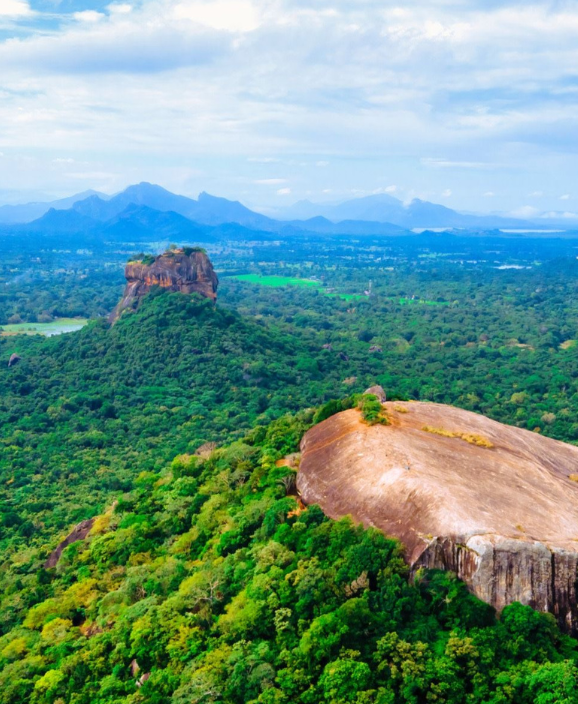
Sigiriya, also known as the “Eighth Wonder of the World,” is one of Sri Lanka’s most treasured cultural and archaeological monuments. Towering 200 meters above the surrounding plains, this colossal rock formation served as the site of a royal fortress, a Buddhist monastic retreat, and a symbol of Sri Lanka’s ingenuity in architecture and urban design.
The history of Sigiriya dates back over 1,500 years. King Kashyapa I, who reigned from 473–495 AD, transformed this natural rock into his impregnable citadel. Legend holds that he sought refuge here after seizing the throne, and in doing so, he created one of the most extraordinary architectural achievements in South Asia. The rock was surrounded by moats, ramparts, and expansive water gardens, demonstrating a mastery of hydraulic technology that remains impressive even today.
One of the most famous features of Sigiriya is the series of frescoes, painted directly on the rock face. These paintings, often referred to as the “Sigiriya Maidens,” depict celestial women adorned with elaborate jewelry, flowers, and delicate expressions. They are celebrated as masterpieces of ancient Sri Lankan art, offering a glimpse into the artistic and cultural sensibilities of the time.
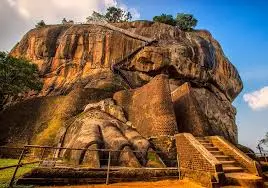
Midway up the rock lies the Lion’s Gate, where two massive lion paws, carved from stone, once supported a towering structure resembling a seated lion. This was the symbolic and defensive gateway to the upper palace. The climb to the top is both adventurous and awe-inspiring, with views that become more spectacular at each step.
At the summit, visitors encounter the ruins of the royal palace, including remains of a throne, bathing pools, terraces, and stone walls. From here, one can enjoy sweeping views of the surrounding countryside, including paddy fields, reservoirs, and distant mountain ranges. This vantage point reveals why Sigiriya was strategically chosen as both a fortress and a palace.
Beyond its historical significance, Sigiriya is also an enduring cultural icon. It reflects a sophisticated blend of artistry, engineering, and visionary design. Today, it attracts travelers, historians, and adventurers alike, offering not only a journey into Sri Lanka’s heritage but also a profound connection to the creativity and resilience of its people. Visiting Sigiriya is more than just exploring ruins; it is an immersive experience that combines history, art, nature, and breathtaking scenery into one unforgettable destination.
 (21 x 5 cm) (2).png)





.webp?alt=media&token=0160034e-511e-4318-a178-c109ef9a42de)


 4/5
4/5